
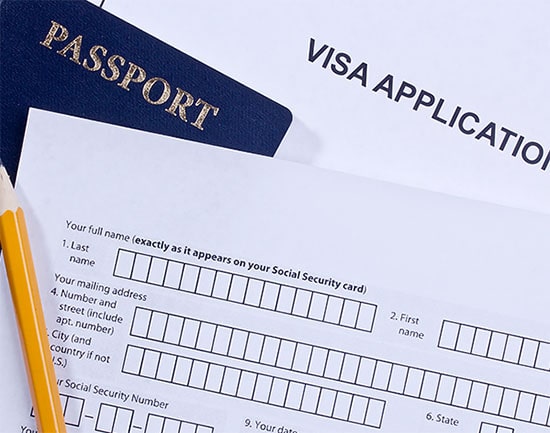
If you have an interview at the USCIS office and are not comfortable or fluent in English, you can bring an interpreter to assist you during the interview. The interpreter will act as an intermediary between you and the USCIS officer. In this case, you must choose someone whom you trust and respect. However, specific rules apply when you bring an interpreter to such interviews. The USCIS sets these rules to eliminate bias and ensure a smooth flow of interviews. A competent immigration attorney can help you identify the right interpreter to take with you to your interview. They will also explain some of the things you should expect to keep you comfortable and relaxed throughout the interview.
Here are some of the rules you should keep in mind as you prepare for your immigration interview:
Have the Right Reasons to Have an Interpreter
Interpreters play a critical role in immigration interviews, ensuring effective and accurate communication between applicants and USCIS officers. They ensure you understand the questions and answer correctly to prevent legal mistakes and ensure compliance with all regulations.
A qualified interpreter will exercise legal accuracy when mediating between you and the officer. They will ensure that all details of the questions are communicated accurately to avoid miscommunication or misinterpretation of information. A competent interpreter will also exercise regulatory compliance. Some immigration interviews, like affirmative asylum, require you to bring an interpreter. Failing to do so could be interpreted as a failure to appear by the immigration department.
An interpreter is also crucial in ensuring a clear understanding of and a responsive answer to the questions asked. This is the essence of an effective immigration interview. You must understand the questions asked and provide the needed answers to increase your chance of receiving a favorable outcome.
Also, an interpreter can provide the support you need in an intense interview. Immigration interviews are not always easy, especially for diverse applicants. The language and cultural barrier between you and the interviewer can affect your ability to communicate effectively. Someone who understands your language can easily bridge the gap for a fair interview process.
Choose a Qualified Interpreter
The guidelines for selecting an interpreter to assist with an immigration interview are outlined in the USCIS Policy Manual, Chapter 5. This guidance helps immigration applicants choose someone whom the USCIS will accept as an interpreter. However, it does not cover situations where an interpreter is provided by the Immigration Department or interviews concerning NACARA, asylum, reasonable or credible fear, overseas immigration, or naturalization.
Your interpreter must have exceptional fluency in English, since it is the language commonly used in USCIS interviews. They should have a near-native fluency in spoken language to interpret every word spoken by the USCIS officer and the applicant. Additionally, they must be masters of accurate transfer or interpretation to the language of your choice. This eliminates miscommunication, which can ruin your chances of receiving a favorable result. Thus, the interpreter must have the ability to idiomatically and accurately transfer the meaning of words without adding or omitting anything.
Also, your interpreter must have solid communication and interpersonal skills. They must communicate effectively with all people, regardless of their age, background, and culture. They must also navigate high-pressure situations easily to ensure that the communicated information is delivered to the recipient as it is, complete with emotion.
If the interpreter you bring to the interview cannot communicate effectively, the USCIS officer can postpone the interview until you find a competent one.
The Interpreter Should Be Neutral
If you need an interpreter for an immigration interview, you must choose a neutral person. Another applicant cannot interpret for you, nor can a USCIS officer. Even if the interviewing officer is conversant with your preferred language, they cannot ask and interpret the questions for you. It must be someone else who is not involved in the interview.
Additionally, the neutral third party cannot be a witness in your case. They cannot also be your immigration attorney, or someone involved in your case, or the immigration process. Everyone involved in your case has a conflict of interest in the matter, and therefore, they are unacceptable to participate in your interview.
Talk to your attorney about finding someone who will help without influencing the interview in your favor. A neutral person will stick to the rules of the interview and will ensure effective communication for both parties. A neutral person will also not be influenced by the applicant's or the interviewer's interests. Their goal is to ensure that you understand the questions and that the interview receives the appropriate responses for effective decision-making.
Remember that the interpreter is expected to translate what you and the interviewer say verbatim or word-for-word. They must do this to the best of their ability, without including their opinion, and answer commentary. A disinterested person is the ideal choice, as they have no personal stake in the outcome.
Avoid Family Members
In most cases, USCIS only allows family members as interpreters if they are not closely related to you. A family member can influence the outcome of your interview, especially if they are closely related to you. To avoid this, it is advisable to hire a professional interpreter, preferably one who is not related to you. Although the immigration office sometimes does not strictly prohibit family members from serving as interpreters, a conflict of interest may arise. A family member can also raise credibility concerns, which can affect the outcome of your interview.
The USCIS reserves the right to disqualify an interpreter who does not meet the set criteria. If the person is incompetent or will likely compromise the integrity of the interview, their participation can be cancelled. Since the immigration department wants to conduct these interviews within a given timeline, it is willing to extend the deadlines to ensure that the interviews are done well and fairly for both the interviewer and the interviewee. An interpreter who is likely to alter words or substance, or omit parts of the testimony to assist an applicant, is unsuitable for the job.
Ensure The Interpreter Has All The Requirements
A suitable interpreter for a USCIS interview is not only fluent in English and your preferred language but also knowledgeable about the immigration process. In addition to being proficient in the required languages and having excellent interpreting and interpersonal skills, they must be an adult. Adults in California are individuals aged 18 and older. In this case, they must present a valid government-issued identification, such as a state ID, driver’s license, or passport. This allows USCIS to verify their identity, determine their legitimacy, and assess their credibility. However, an exemption can be made in this case if you or the USCIS cannot find a competent interpreter. If the exemption applies in your case, you could be allowed to bring in a minor who is aged at least 14 years.
Additionally, the interpreter must be willing to take and sign an interpreter’s oath before the interview. The USCIS requires an applicant and their interpreter to fill out and sign Form G-1256, a declaration for an interpreted USCIS interview. Signing an oath confirms the interpreter’s willingness to translate completely and accurately. It is a declaration that the interpreter will literally, accurately, and fully interpret for you and the USCIS officer. The form also reminds you that the interpreter will have access to your personal information. By signing the form, the interpreter acknowledges that they will maintain the confidentiality of your personal information.
However, interpreting does not mean explaining questions or answers. An interpreter should only deliver the message as it is to you or your interviewer, not expound or summarize it. They must not explain the question or answers, or answer on your behalf, even if they know the answer. They must also refrain from giving their personal advice or opinion during the interview. This can influence the outcome of the process.
The Interpreter Must Be Physically Available for the Interview
Immigration interviews in the U.S are exclusively conducted in person. You are required to attend a physical interview to answer questions as the USCIS gauges your suitability for a visa. Your physical presence is usually mandatory; USCIS generally requires that applicants for all visas be physically present to verify their identity, determine eligibility, and detect fraud. You must also be present to present your paperwork and provide biometrics to complete the application process. An ink-free digital fingerprint is always required during the interview. You will also be required to show your original documents, including your passport.
In this case, your interview will be conducted in person, meaning that both you and your interpreter must be physically present during the meeting. Your interpreter’s physical presence is also beneficial in building trust and rapport, ensuring accuracy, facilitating non-verbal communication, and promoting quality control. During a conversation, a lot can be lost in translation if the interpreter is not sufficiently attentive to both the interviewer and the interviewee. Physical presence reduces the likelihood of this happening, ensuring that you and the USCIS officer understand each other well, which facilitates effective decision-making and communication.
Their physical presence also allows them to observe well for meaningful nonverbal cues. For example, they can observe and interpret body language, gestures, and facial expressions, which are as important as spoken words.
Note: Some exemptions apply to this rule. If you seek approval in advance, your interpreter can attend the interview via phone or video. However, exceptions are only made for specific immigration interviews, such as those conducted at remote offices and asylum interviews.
An Interpreter Must Not Prepare You for the Interview
Immigration interviews are not always easy. Sometimes, the fear of the unknown can be so overwhelming that you seek the help of another party to prepare. While this is generally allowed, your preparation should not affect your integrity or the integrity of the possess.
An interpreter whom you have already hired for the USCIS interview must not assist you in preparing for the interview. They must not coach you on what to say, how to answer questions, or what to avoid during the interview. They can help you practice the language you do not clearly understand, but they should not give you tips to win the interview. If the USCIS notices signs of coaching, your application can be denied or delayed.
The interpreter Must Remain Silent Unless Translating
Choose an interpreter who can stick to their mandate throughout the interview. Since their job is to interpret, they must say only what is required by you or your interviewer throughout the process. In this case, they must not give explanations even when you struggle to understand a question or concept. If you need help understanding something, you can ask the USCIS officer through the interpreter, not the interpreter themselves.
The interpreter must not ask their own questions. Remember that the interview is between you and the USCIS office. The interpreter should also refrain from arguing with the interviewer or you, even if they disagree with the process or an aspect of it. They must not answer any question on your behalf, even if you have already answered it, or if they know the answer.
Choose an interpreter who understands the principles of interpreting. They must understand the rules and must be willing to stick to them. A professional interpreter is highly recommended. If you cannot find or afford a skilled interpreter, ensure that the one you find understands the basic rules of interpreting.
The Interpreter Must Have a Clean Criminal Record
A criminal record affects various aspects of your life, including your credibility. More often than not, people will treat you differently if you have a criminal record. Your integrity and credibility are always in line, and some people can question your qualifications and trustworthiness. These are issues that may come up if you choose an interpreter with a criminal background for your USCIS interview. Their integrity will be questioned more if they have a history of committing immigration fraud. The USCIS can also refuse to work with an interpreter who has a prior conviction for a crime related to dishonesty. Additionally, you could face issues if your interpreter was previously removed from an immigration office.
A person’s credibility is critical, especially in serious processes like these. Carefully select an interpreter who is trustworthy and has a good reputation. Look for referrals from people you know, such as family, friends, or colleagues. If anyone has used an interpreter in an immigration interview in the past, they can give a solid recommendation. You can also find an interpreter online. However, ensure you go through their reviews and testimonials to understand the kind of person they are before hiring them for the job.
The USCIS Can Remove or Replace Your Interpreter
Your choice of an interpreter is usually not final, as the immigration officer conducting the interview can reject, remove, or replace them. When a rejection happens, the officer can postpone the interview to a time when you can bring a credible and competent interpreter. The USCIS office must first determine the qualification of an interpreter before starting the interview. If they meet the required criteria, the interview can begin. However, if an issue arises during the interview, the officer can remove or replace them.
A USCIS officer can remove or replace an interpreter if they are inaccurate. Remember that the effectiveness of an immigration process largely depends on the success of these interviews. An inaccurate interpreter can distort the information you provide or the questions asked by the officer, making it difficult for you to communicate effectively with the interviewer. Also, the officer can remove or replace your interpreter if they are not fluent. This, too, can affect the effectiveness and accuracy of communication between you and the officer.
The officer also has the right to remove or replace your interpreter if they are causing confusion or influencing answers. An immigration officer can stop the interview process to replace the interpreter with one approved by the USCIS. They can also postpone the interview to allow you to hire a competent interpreter.
It is essential to avoid these issues to prevent delays that can impact the entire process. A postponed interview can add extra weeks or months to your waiting time. It can also disrupt your plans, especially if you have a family to reunite with, a job, or any other commitment that is tied to your application. A delay is also not good for your health, as it can cause stress and anxiety.
Find a Skilled Immigration Attorney Near Me
Immigration interviews in California have specific requirements that you must meet for a smooth and effective process. For example, if you have difficulty understanding English, which is the primary language used by USCIS officers, you can bring a qualified interpreter to assist you. The interpreter must meet the established criteria and be sufficiently competent to avoid interfering with or influencing the process. Working with a skilled immigration attorney ensures you get everything right for a smooth, quick, and effective process.
At California Immigration Attorney, we can help you find an interpreter to help you with your interview. If a professional interpreter is unavailable, we can help you find someone who understands the principles of interpreting and is qualified to assist you. We can also help you with all other requirements to complete the application process. Call us at 424-789-8809 to learn more.