
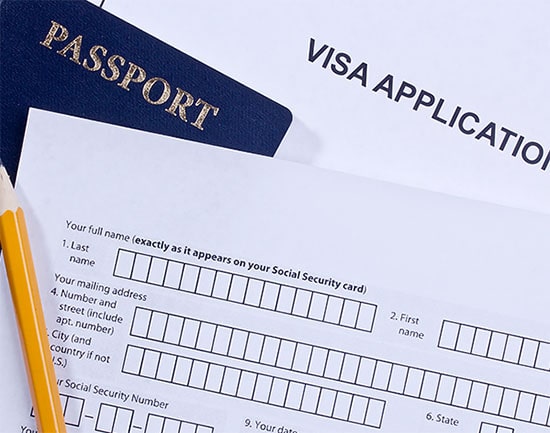
If you want to travel or move to the United States, you will need a visa. Obtaining a visa typically requires an in-person interview at the embassy or consulate. Countries that do not have a U.S. embassy face a unique challenge when applying for visas. In this case, you cannot complete your visa interviews at home.
This situation can create confusion about where to apply and how to prepare for the interview. Also, it may leave you wondering whether the lack of an embassy harms their chances of securing the visa. The United States allows applicants to complete visa interviews in any country where a U.S. consulate agrees to process their case.
When applying for a U.S. visa in another country, you must ensure that the government accepts foreign applicants. Additionally, please follow the correct steps for your visa application. If you are unsure of the proper steps to take or need more guidance in the process, you will need a reliable immigration attorney.
Applying for a U.S. Visa When You Have No Embassy in Your Country
Not all countries have a U.S. Embassy. Common reasons why some countries may not have an embassy include:
Political or Diplomatic Tensions
Sometimes the U.S. does not have diplomatic relations with a particular country. The U.S. can shut its embassy in that country. Diplomatic tension may arise from conflicts stemming from the breakdown of negotiations. When diplomatic relations are weak, consular services cannot function efficiently.
Security Concerns in the Host Country
Some countries face instability, violent conflict, or unpredictable security risks. The U.S. may decide that it cannot safely protect its staff or applicants. If the risk level in your country is high, the embassy may shut down. Even if the country stabilizes later, reopening an embassy may take many years.
Lack of resources or low demand
Some countries have few individuals seeking visas to go to the United States. In such circumstances, the government may not establish an embassy in that country. Managing an embassy often requires funding, personnel, and ongoing support. If the demand is low, the United States may offer visa services from a nearby country.
Diplomatic restructuring
Sometimes the U.S. consolidates its services regionally. This means that one embassy can serve several neighboring countries. Restructuring helps reduce costs and centralize resources, thereby increasing efficiency. When this happens, some countries end up without a local U.S. embassy.
When there is no embassy in your country, the United States may designate nearby embassies to handle applicants from that region. These embassies often process thousands of out-of-country cases.
The Legal Basis for Applying for a U.S. Visa in Another Country
U.S. immigration law grants applicants the right to attend a visa interview at any U.S. embassy or consulate worldwide. You are not restricted to the embassy in your country of citizenship. The rule exists because many countries lack a U.S. embassy or consulate within their territory. It also helps travelers who live or work abroad temporarily. The law requires you to appear at a functioning U.S. consular post that agrees to take your case.
Although the law permits worldwide processing, each consulate has its own specific policy regarding this matter. Therefore, they can accept or deny your application depending on their policies. Some consulates accept almost everyone. They may even process applications from tourists or short-term visitors.
Other consulates only accept applicants from countries that do not have a U.S. embassy or consulate. Only lawful residents of the nation are eligible for interviews at certain consulates. They do so to manage the workload and focus on local demand. Since each post sets its own policy, you must verify the specific rules of the consulate where you wish to apply.
The DS-160 form supports your flexibility. When you fill out the form, you can choose any consulate worldwide as your preferred processing post. This makes the system accessible for applicants whose home country has no U.S. embassy. It also helps people who live in regions with long wait times. However, the consulate must agree to schedule an appointment for you.
Choosing the Right Country for Your Visa Interview
Selecting the correct country for your visa interview is a crucial decision when there is no embassy in your country of residence. Your choice will affect:
- Your travel expenses
- Your stress level
- Your appointment date
- The chances that the embassy will accept your application
The goal is to choose a location that is realistic, safe, affordable, and friendly to non-residents. Key factors to consider before selecting the correct country for your visa interview include:
Entry Requirements
Before selecting any country, you must confirm its entry rules. Every country has its own policy. Some entry rules are more straightforward to meet than others. Therefore, you must check whether you will need:
- Visa-free entry. A visa-free entry is the easiest option if you want to access the US embassy in another country. If a country allows you to enter without a visa, traveling there becomes stress-free and straightforward. You can minimize the likelihood of delays and avoid additional paperwork in this situation.
- An e-visa. Some countries allow online visa applications. E-visas are easier and faster to process. This is because they require minimal documentation. An e-visa is a viable option for those seeking convenience.
- A visa-on-arrival. Some countries permit visa applications to be submitted upon arrival. Although the procedure is convenient, you must ensure you meet all the conditions. Before leaving your country, please verify the validity of your passport, payment method, and any required supporting documents.
- A prearranged visa. This is the most time-consuming option. If you must apply in advance, consider how long the processing will take. Additionally, you can verify the cost and ensure that you meet all the requirements.
You should choose a country where the entry rules match your situation. If the rules are difficult or expensive, consider seeking a better option.
Appointment Availability
Each U.S. embassy has its own wait time for visa interviews. Some locations are busy, which means you have to wait for weeks or months for your appointment. Other countries offer appointments within a few days or weeks. Long delays can harm your plans.
Before choosing a country, you should verify its current appointment wait time. Additionally, you can check whether the embassy cancels or reschedules appointments. A country with fast and stable appointment availability will reduce stress. Furthermore, it will help you plan your trip with confidence.
Consulate Policy Toward Non-Residents
Not every U.S. embassy accepts applications from non-residents. Some allow third-country nationals freely. Others only accept non-residents in limited situations. You should always read the “Non-Resident Applications” section on the consulate’s website. The section explains whether you can apply there. Also, it lists the extra documents you may need. You should choose an embassy that openly accepts applicants from outside the country.
Safety and Comfort
Your interview trip may last several days. Therefore, you should choose a country where you feel safe and comfortable. You can check the crime rate, political stability, and the overall environment of the specific country. During your visit, you will need accommodation, food, and transportation. You should choose a place where these expenses align with your budget. Feeling safe and relaxed will help you prepare better for the interview.
Flight Accessibility
Traveling to a country for your visa appointment should be simple. Therefore, you must choose a country with direct flights or have short connections. Long or complicated routes can increase stress and increase the risk of delays.
Process for Obtaining a U.S. Visa When Your Country Has No Embassy
Obtaining your U.S. visa when your country does not have an embassy or consulate will take the following steps:
Complete the DS-160 Application Form
All U.S. nonimmigrant visas require completion of the DS-160 form. You should fill out the form online and ensure:
- Your passport details match exactly
- Your work, education, and travel history are accurate
- Your answers are consistent with your supporting documents
- You select the consulate where you plan to attend the interview
When you submit the DS-160, you should print the confirmation page and bring it to your interview.
Choose Your Interview Country
Before paying the fee, please select the country where you wish to apply for your visa. You can do this by following these steps:
- Check appointment availability
- Confirm that the consulate accepts non-residents
- Confirm you can legally enter the country
- Ensure it is safe and affordable for travel
- Create Your Profile and Schedule Your Interview
After selecting the correct country for your interview, visit the visa appointment website for the consulate in your chosen country. To access this website, you will need to create an account and enter your DS-160 confirmation number. Also, you can make the specified payment.
Each embassy has its own varying rules for fee payment. Depending on the country, you can pay the visa fee through a designated bank or online using a debit or credit card. Some countries also accept payment slips. You should follow the payment instructions on the consulate website where you will interview.
The U.S. does not allow you to pay the fee in your home country if there is no embassy. After a confirmation of your payment, you can schedule your interview. You should ensure that your appointment date allows enough time to:
- Obtain any entry visa for that country.
- Book travel
- Arrange accommodation
- Prepare your documents
After booking your interview date, you should print the confirmation and keep it safe.
Travel to the Interview Country
You should plan your travel to the interview country at least one day in advance. When entering the interview country, immigration officers may ask about:
- The reason for your visit
- The intended duration of your stay
- The location you intend to stay
- Prepare Your Supporting Documents
You should have the appropriate documentation when attending your visa interview. A well-structured document file will demonstrate your stability and credibility. Essential documents you should prepare for the interview include:
- Current passport
- Previous passports
- DS-160 confirmation
- Appointment letter
- Visa fee receipt
- Passport photos
Also, you should bring evidence of strong ties to your country, which includes:
- Employment letter
- Business registration
- Land or property ownership
- Marriage certificate
Depending on the type of visa you are applying for, you should have the following documents:
- Invitation letters
- Conference registrations
- Hotel bookings
- Flight itinerary
- Proof of school admission for student visas
Attend the Visa Interview
Most visa interviews last only 2–4 minutes. The officer will ask clear, direct questions. You should provide concise, honest, and confident answers. You should avoid volunteering extra information unless asked. Your chances of obtaining a visa remain unaffected by applying for one in another country. However, please ensure that all your documents are ready for presentation upon request.
Wait for the printing of your Visa
If the embassy approves your request, the hearing officer will keep your passport. The processing time for a visa may vary depending on the workload of the specific embassy or consulate. You will collect your passport from a designated location. If the consulate denies your visa request, the hearing officer will return your passport immediately. Additionally, they will provide you with a written explanation for the denial.
Frequently Asked Questions
Many people want to travel to the United States, but their countries do not have a U.S. embassy or consulate. In this case, you may need to explore other options. The following are frequently asked questions about applying for a visa when you have no US embassy in your country:
Can I apply for a U.S. visa at any U.S. embassy in a foreign country?
If you do not have an embassy in your country, you can apply in any country that agrees to process your case. However, not all consulates accept non-resident applicants. Some consulates only offer services to citizens and legal residents of the country they represent. Therefore, you must check the policy of each consulate before making travel plans.
Will applying in another country reduce my chances of approval?
No. Your approval for a U.S. visa is based on your individual situation. The officer will look at the following factors when determining your eligibility:
- Your ties to your home country
- Your financial strength
- Your travel history
The location of your interview does not change the standard applied to your case. The strength of your evidence and your honesty will determine whether you receive the visa. Many people worry that applying outside their home country may look suspicious.
However, it does not affect the legal criteria. Officers are aware that some countries do not have U.S. embassies or have extremely long wait times to access them. You should focus on preparing your documents instead of worrying about the location.
Do I need a visa to enter the country for the interview?
Yes. If a country does not offer visa-free entry, you must obtain a visa before traveling. For example, you may need a visa, an e-visa, or a visa-on-arrival. You should be familiar with the requirements early so you have enough time to apply. If you cannot meet the entry requirements, consider entering another country that has more lenient entry requirements.
Additionally, you should verify the duration for which you are permitted to stay in that country. You should have enough days to settle in and attend your interview.
Can I change my interview location after submitting the DS-160?
Yes. You can change the location by creating a new DS-160 for the new consulate. Some consulates will allow you to contact them directly for guidance. You may need to pay the MRV fee and schedule your appointment in the new country. Changing your location does not harm your case. However, you should ensure that your DS-160 confirmation page matches the consulate where you will attend the interview.
What happens if there are long wait times?
If wait times in the country you choose for your interview are long, you can opt to change to another consulate. Every embassy has different appointment demands. You can compare multiple consulates before making a decision. The comparison helps you avoid unnecessary travel and stress.
What if the consulate refuses to accept non-resident applicants?
If a consulate does not accept non-resident applicants, you must select an alternative country of residence. Each consulate sets its own rules, and you cannot force them to process your case. You can opt for a country that welcomes foreign nationals.
Find a Seasoned Immigration Attorney Near Me
Many individuals from countries without a U.S. embassy are concerned about how to obtain a visa and where to apply for it. Having no embassy does not affect your chances of obtaining the visa and traveling. You can apply for a visa and interview at an embassy in another country. However, you should verify the requirements for that country and check if it permits interviews for non-residents.
After selecting the correct country for an interview, gather all relevant documents and arrange your travel there. On arrival, you will attend the scheduled interview. The embassy has the authority to accept or reject your application after looking over your records.
If your application is accepted, you can arrange to collect the visa at a specific location. Interviewing for a visa at another country's embassy may seem complex and tiresome. Therefore, you will need legal guidance. At California Immigration Attorney, we provide expert legal advice to our clients in California. Call us at 424-789-8809 to discuss your immigration situation.