
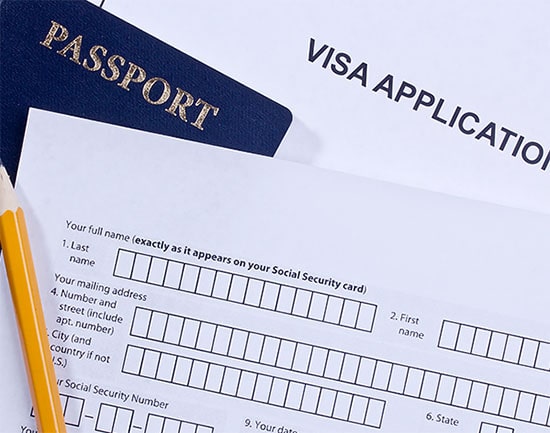
When dealing with the nuanced world of U.S. immigration statutes, knowledge of these laws is your most valuable ally. One of the most effective ways of gaining a definitive advantage in your immigration benefit application or case is viewing your application exactly as the U.S. Citizenship and Immigration Services (USCIS) views it. Whether you are applying for permanent residency status, a non-immigrant work visa, or any other immigration benefit, accessing your immigration records is crucial in anticipating challenges and correcting errors that could be decisive in your application.
Fortunately, when dealing with US immigration laws, the Freedom of Information Act (FOIA) is the legal tool that gives you the right to request and access copies of your immigration records held by the government. The power of FOIA can mean the difference between being well-prepared for your immigration case and an uncertain situation. Here is what you need to know about the Act, including when a request can be beneficial, the process of requesting, and the duration it takes to process your FOIA request.
Overview of a FOIA Request
The FOIA was enacted in 1996, giving individuals the right to request access to records held by federal agencies. For foreigners navigating the nuanced immigration laws, the Act helps you access the alien file or A-file, which is a record of all your encounters with immigration agencies.
So, you can submit a FOIA request to the relevant immigration agency, such as USCIS, Immigration and Customs Enforcement (ICE), or Customs and Border Protection (CBP), requesting access to your A-files. The records comprise:
-
Every ICE case record or enforcement action
-
CBP records regarding entries, exits, and encounters at the border
-
All your immigration petitions
-
All your immigration benefits applications
-
Record of previous court hearings in the immigration court
-
Your biometric and fingerprint records
-
Notes on all immigration interviews
The government depends on these records, or the lack of records in their system, to make immigration decisions. Therefore, when you have access to the details, you can better prepare for immigration benefits applications, challenge deportation orders, or fix mistakes in your record that could hurt your immigration status.
Situations When a FOIA Request is Useful or Not Useful
Instances when a FOIA request is useful and essential include:
When Initiating a Fresh Immigration Application
It is difficult to remember your immigration record, especially if it is extended. However, you might not remember every detail of your prior immigration incidents. If you are making a new application, omitting information from the initial records could hurt your application, even if you did not intentionally leave out the details. Forgetting some of the information you disclosed in prior applications creates inconsistencies between the old and new applications, which can raise an alarm with the immigration agency handling your case. The consequences could include a request for additional information, delayed processing, application denial, or the initiation of a deportation hearing.
Your immigration attorney will advise you to make a FOIA request before the new application. Reviewing past applications could give you an idea of why it was denied, and you could adopt a new technique that will improve the chances of success for the current application.
Your Immigration History is Nuanced
If you have had undesirable encounters with immigration agencies in the past, then you must find out what information these agencies have on their records. Examples of complicated immigration records include:
-
Your previous immigration benefits applications have been rejected
-
You were stopped at an entry point, detained, or interrogated
-
You have had an encounter with the immigration court in the past
-
You are not sure of what applications a sponsor or a third party made on your behalf
If you have such a history, filing a FOIA request can help you better understand your situation.
You have an Upcoming Immigration Court Proceeding
Immigration courts do not have a discovery stage where the opposing parties exchange evidence. Therefore, if your attorney needs information that the court will rely on to make a decision, they must request your A-file. These records are not always accurate, as they may contain false or misleading information. Still, the court and immigration agencies will use the records to make decisions. Therefore, it is crucial to obtain the records and point out inaccuracies or errors that could be used against you.
You Want to Fix Government Errors
Government records are not without mistakes. Common errors include misspelt official names, incorrect application of the law, erroneous assumptions, inaccurate dates, and incomplete interview notes. If you do not identify and fix these mistakes, they could adversely impact immigration decisions. Your immigration attorney should help you obtain the A-file so that you can proactively study it and identify inconsistencies or errors that could hurt your immigration cases. Once you identify the mistakes, your attorney should address them before your new immigration benefit application.
You are Subject to An Enforcement Action By ICE
If you are in an ICE detention facility facing deportation or have a pending enforcement action, you will need your immigration record. The information on the record is what ICE will use to decide on the course of action. You do not want to attend your case mindlessly. It is crucial to know what information the ICE holds or might use against you, including affidavits or previous encounters, so that you can formulate an effective defense strategy. It will be difficult to counter their assertions or evidence if you do not know what immigration details they hold.
Even when you obtain the A-file in these situations, you might not access all the information in the files. The government can redact or cross out some information in the records, including the names of government officials or information about another party in the file other than you.
Additionally, there are times you should not bother requesting your immigration records because the government will reject the application or it might take longer to process the request. By the time you receive them, they will no longer be useful.
A FOIA request will not be necessary if you have an active and high-priority USCIS filing. For instance, if USCIS requests additional evidence on claims of legal entry into the country, as noted in your application, you cannot request an A-file to confirm the information. It takes months to process the requests while USCIS works on strict timelines and will not grant an extension because you need time to obtain and review your immigration record before you can respond. In instances where a FOIA request is impractical because of strict deadlines, you can access your record through quicker means, such as obtaining an I-94 from CBP. Alternatively, you can submit alternative evidence to the USCIS without having to rely on the A-file information.
The Process of Filing a FOIA Request
There are four crucial steps for submitting a FOIA request. These include:
-
Identify the Immigration Records You Need
Before filing a request, specify the information you require from the government. Once you know the details you are looking for, you can determine if a FOIA request or other more effective channels are the best way to retrieve the information.
For instance, when you want access to your entry records, enforcement actions, border encounters, or ICE detention, you can file them in your Alien file, which contains all your immigration information. However, when you need information about your criminal history, it would be more appropriate to run a background check with the Federal Bureau of Investigation (FBI) than to submit a FOIA request. Not all your immigration information should be about requesting your A-file. There are other more effective channels for retrieving the information, especially when the immigration matter is time-sensitive.
However, accessing and studying your A-file is especially important when missing previous applications or when you are unsure of how the court or relevant immigration agencies adjudicated your previous immigration cases. For instance, former deportation hearings were recorded on audio and were unavailable in the court's digital system. Therefore, it will be more effective to formally request your A-file to obtain the audio recordings, as testimony recorded ten years ago will be unavailable in court transcripts. Reviewing such a recording can help you better prepare for an immigration case. It ensures that your previous statement or testimony is consistent with the current process. Inconsistent testimonies will undermine your credibility and could result in an unfavorable outcome.
-
Identify the Appropriate Immigration Agency with the Information you Seek
You must send your request to the right immigration agency to ensure the officials answer your application on time and provide all the relevant information you seek. Generally, most A-file requests are done through USCIS’s online portal. So, when you need information about your previous permanent residency status application, naturalization application, or work permit request, you can directly request it through the USCIS portal.
The immigration records you can obtain from the CBP include:
-
Arrest records at the border post 2000
-
Form I-94 entry and departure manifests
-
Sworn affidavits
-
Charging documents on removal or deportation
-
Records of voluntary return
-
Records of customs inspections
The records you can retrieve from ICE are:
-
Ice detention records
-
Medical records while in ICE custody
-
Deportation proceedings
When seeking a Visa application or passport records, you should send your request to the Department of State through the DOS portal.
If you need records from the immigration court, a court transcript from a previous hearing, or verdicts from an immigration judge, you should file your request with the Department of Justice’s Executive Office for Immigration Review (EIOR). You can visit their physical office to make the request.
For biometric identification and fingerprint records, you should visit the Office of Biometric Identity Management.
If you submit your FOIA request to the wrong agency, the agency will respond that the records you seek do not exist. As a result, you will be forced to send another application to the right agency, which is time-consuming and might not help when you need it. Immigration attorneys recommend filing a request several months before a new application or a scheduled immigration court hearing to give the relevant agency time to respond, given the backlog of requests. So, submit your application to the correct agency so that you can receive the records on time.
Consult with an experienced immigration attorney if you are unsure of the correct place to submit your FOIA request.
-
Find Out Why you Require the A-file
State in your request why you need the files. If you risk deportation and you are afraid of returning to your mother country if your asylum is denied, mention it in the file so that the officials processing the request can expedite the process.
If you state the reasons for the request because it is a formality, you risk being denied the expedited process. So, when seeking an expedited process based on an active merit proceeding, ensure you explain in your application that the alien files contain sworn statements that are crucial in proving your credibility. If your immigration attorney does not have the statements because of a denied expedition, you will go to the hearing without critical evidence, increasing the chances of an unfavorable outcome.
-
Prepare and Submit your Request
All FOIA requests to CBP, ICE, or USCIS must be made directly through the portal. If you mail or email your FOIA submission, it will not be accepted. The agency will send it back as unprocessed. You will be forced to start the process from scratch, which could delay your access to the copies. Even if you receive the copies, if they come late, they will not benefit your case.
Similarly, when requesting someone else’s A-file, you must obtain their approval through a notary public or sworn statement. If your request is with USCIS, ensure you provide your physical address. Even though the instructions might state they require a mailing address, you should provide your physical address to prevent the request from being deemed incomplete and forcing you to start the process afresh.
Conversely, state the reasons for seeking the immigration records if you are submitting the application to the DHS, as a vague request could be rejected. The DHS has the discretion to administratively close your request if the reasons for seeking the records are not specified or entirely provided. Also, they could ask you to clarify the reasons through their online portal and stop the process until you submit an answer. If you do not file an answer within the set timeline, the DHS administratively closes your FOIA request.
Seek the help of an immigration attorney when preparing and submitting the files to avoid delays in acquiring the information you need or to prevent a rejection.
-
Follow-Up on the Request
You can track the progress of your application online or through a number provided when you submit your request. The processing time varies depending on the backlog, with some requests taking days and others years. If you need the process expedited, give valid reasons and supporting evidence in the request. The evidence includes a copy of a Notice to Appear (NTA). Without furnishing the relevant agency with evidence to support the expedition, it will be rejected, and you will wait for the usual processing time.
When your files are ready, the relevant agency will email you the copies. If your request is not commercial, the first 100 pages of the records will be free. Alternatively, you can receive a compact disk of scanned digital copies of your immigration record at zero obligation.
The initial filing might be free. However, the government can introduce charges later for searches, reviews, and duplication time when the total cost exceeds $14. When you present the forms, you automatically agree to pay 10 cents per duplicated page, up to a maximum of $25. So, when you send a request for pages exceeding the initial free page limit, the government will assess the duplication fees before it can process your request. You must make the payment for them to continue with the production. Delaying payment confirmation will only slow the production.
Processing FOIA requests is time-consuming. Therefore, you should submit your request months before the case. If you have a hearing before an immigration judge, you are eligible for an expedited process. However, when filing your application, you must present copies of the following forms:
-
I-82 Notice to Appear to demonstrate that you have an expected immigration court hearing
-
I-122
-
I-863 Notice of referral to an immigration judge
-
A written notice of an arranged continued immigration court proceeding
If you state the reason for an expedited process as a pending matter before an immigration judge and provide copies of any of these forms as evidence, the relevant agency will expedite your application, and you will receive the A-file on time for the hearing.
Find a Seasoned Immigration Attorney Near Me
Information is a powerful tool when navigating the nuanced immigration system. A FOIA request is crucial in accessing crucial immigration information that could help you better prepare for your immigration case, as opposed to going in blind. The request is most useful when you have a long immigration history that could affect your new application for immigration benefits or when you want to correct errors in your records.
At California Immigration Attorney, we understand the importance of your A-file in your case, which is why we will explain its usefulness and guide you through the process of obtaining one. Call us today at 424-789-8809 for advice regarding the process.