
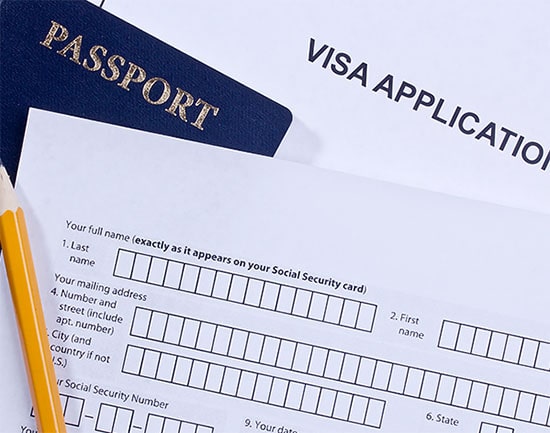
Many people believe that marrying a U.S. citizen automatically leads to U.S. citizenship. U.S. immigration law does not grant citizenship solely based on marriage. Instead, marriage is only the starting point of a longer legal process. Marriage to a U.S. citizen can offer a faster path to U.S. citizenship, reducing the duration to 3 years. However, the shorter timeline only applies if you meet the strict requirements.
U.S. immigration law has set forth the steps you must take to become a citizen. You must become a lawful permanent resident, maintain your marriage, and meet other eligibility requirements. The duration you must stay married before applying for citizenship depends on several factors. These include your immigration status, the length of time you have held a green card, and whether you are still living with your spouse. Even small mistakes can delay your application.
If you seek citizenship status after marrying a US citizen, you will need the guidance of a reliable immigration attorney.
The 3-Year Rule
U.S. citizenship through marriage is formally known as naturalization based on marriage to a U.S. citizen. The federal immigration law, enforced by U.S. Citizenship and Immigration Services, governs the process. Becoming a citizen through marriage allows a lawful permanent resident to apply for citizenship sooner. The benefit exists because the U.S. government recognizes the importance of family unity.
However, the system is designed to prevent fraud. For this reason, the process requires proof of a real marriage and continued cohabitation. Marriage alone does not grant any immigration status. A spouse must still apply for a green card. Only after becoming a permanent resident does the timeline toward citizenship begin.
The most important concept is the 3-year rule. The rule allows a person to apply for citizenship after three years instead of five. To qualify for the three-year wait period, you must be a lawful permanent resident for at least 3 years. Furthermore, you must remain married to your spouse for up to three years while living with them.
The three-year rule is part of the Immigration and Nationality Act, which sets the legal framework for immigration benefits. If you violate any of the requirements, you may lose eligibility under this rule. A common mistake people make when applying for citizenship through marriage is assuming the timeline starts on their wedding day.
The clock begins when you become a lawful permanent resident. This means the date printed on your green card is what matters. Many applicants delay their citizenship because they misunderstand this rule. If you are unsure of the timeline of your applications, you can consult an immigration attorney.
The following are the steps you may need to go through to obtain citizenship with the three-year timeline associated with marriage:
Marriage to a U.S. Citizen
The process begins with a valid marriage to a U.S. citizen. The marriage must be legally recognized under California law. A legal marriage means you must obtain a marriage license and complete a lawful ceremony in the state. In California, you can apply for a marriage license through a county clerk’s office. After the ceremony, the marriage certificate becomes a key document that you will use throughout the immigration process.
Immigration authorities will closely examine whether the relationship is real. Therefore, you must ensure that your marriage is valid. Evidence of a lawful marriage may include:
-
Shared finances
-
Joint leases, photos
-
Communication history
Filing the Immigrant Petition (Form I-130)
The next step after marriage is for the U.S. citizen spouse to file Form I-130 with the U.S. Citizenship and Immigration Services. The petition proves that a valid relationship exists. However, it does not confer status on its own. Instead, it establishes that the foreign spouse qualifies for a green card based on marriage. Your spouse will need to include the following documents and information when filing Form I-130:
-
Marriage certificate
-
Proof of citizenship of the sponsoring spouse
-
Evidence of a real relationship
Processing times for this form take several months. However, the timeline can vary depending on how fast you present the supporting documents.
Applying for a Green Card (Adjustment of Status)
If you are already in the U.S. and married to a U.S. citizen, you can apply for a green card through “adjustment of status.” You do this by filing Form I-485 with U.S. Citizenship and Immigration Services. The application allows you to become a lawful permanent resident without leaving the country.
Since you live in California, your case is processed by a local USCIS field office. USCIS will review your green card application and schedule an interview. You will also receive official notices by mail. After receiving the notice, you can attend a biometrics appointment at a nearby application support center. At this appointment, your fingerprints, photo, and signature are taken. The USCIS uses the information for background checks. At this stage, you can also apply for important temporary benefits such as:
-
Work authorization (Form I-765). Work authorization allows you to legally work in the United States while you wait for a decision. It helps you stay financially stable during the process.
-
Travel permission using Form I-131. The travel permission allows you to leave the U.S. and return while your application is under processing.
The Marriage Interview
Most applicants must attend an interview with USCIS. Both spouses are required to appear at this interview. The officer will ask questions about your relationship. The goal of the interview is to confirm that the marriage is genuine and not entered into for immigration purposes. You should bring the following evidence to the interview:
-
Joint bank accounts
-
Lease or mortgage documents
-
Photos together
-
Insurance policies
If the officer has doubts about the relationship, couples may be interviewed separately.
Conditional Green Card
If you have been married for less than two years at the time of approval, you will receive a conditional green card. The green card is valid for two years, and it comes with strict conditions. The duration helps the government confirm that the marriage remains valid. You have the same rights as other green card holders under these circumstances. You can live and work in the U.S. without restriction.
You will need to show that you entered the marriage in good faith. Evidence you may present when filing a petition to remove conditions may include:
-
Tax returns filed together
-
Children’s birth certificates
-
Continued shared financial responsibilities
Living as a Permanent Resident for 3 Years
Once you receive your green card, the 3-year period begins. The waiting period is where you build your eligibility for citizenship. Every action during this time can impact your situation. You must stay consistent in your lifestyle, your marriage, and your legal obligations. The conditions you must meet include:
-
Continue Living With Your Spouse
You must continue living with your U.S. citizen spouse during the entire 3-year period. The marriage should not exist only on paper but should remain real and ongoing. Immigration officers will expect to see that you share a life. You should live in the same home. Simple things like shared bills, joint bank accounts, or a lease with both names help show that the marriage is real.
Living apart for long periods may raise questions. Even if you are still legally married, separation can affect your eligibility. Officers may doubt whether the marriage is genuine. The doubt can delay or harm your application.
-
Maintain Your Permanent Resident Status
You must protect your green card status by following all U.S. laws. Any criminal activity can create serious problems. You must also meet your basic responsibilities, like paying your taxes every year. If you live in the United States, claiming non-residency can be seen as abandoning your residency. You should always provide truthful information to immigration authorities. Mistakes or false statements can lead to denial. In serious cases, they can lead to removal proceedings.
-
Avoid Long Trips Outside the U.S.
You can travel outside the United States while you wait for your citizenship. However, you must follow the laws. Long trips can disrupt your long-term resident status. If you are out of the country for more than six months, immigration officials may question whether you have a legal intention to live in the country. Staying out of the country for more than one year could disqualify your application.
If you must travel, you should keep records, save tickets, stamps, and travel dates. Doing this helps you prove that your trips were temporary. You should keep your main home, job, and family life in the United States.
-
Meet Continuous Residence and Physical Presence Requirements
You must meet the requirements for continuous residence and physical presence to secure U.S. citizenship. Continuous residence means you live in the United States without long breaks. You must show that the U.S. is your main home. Long absences can interrupt this requirement. Physical presence means the actual time you spend in the country.
You must be physically present in the United States for at least 18 months out of the 3 years. These rules are strict.
-
Follow All Laws and Show Good Moral Character
During the full 3-year period, you must maintain good moral character. You must follow the law and act honestly. Even issues like unpaid fines or false statements can affect your case. If you have dependents, you should support them as required. Immigration officers will review your history, records, behavior, and honesty.
Filing for Naturalization (Form N-400)
When eligible, you can file Form N-400 with the U.S. Citizenship and Immigration Services. The application starts the naturalization process. You will need to provide the following details when filing for naturalization:
-
Green card details
-
Travel history
-
Employment and residence history
In California, you will attend a biometrics appointment and later an interview at a USCIS field office. At the interview, a USCIS officer will review your application and test your knowledge. You must pass:
-
An English test (reading, writing, speaking)
-
A civics test about U.S. history and government
-
The officer will also confirm your eligibility based on your marriage and residency.
The Oath of Allegiance
If you are approved, you will be invited to a naturalization ceremony at a federal building or an appropriate location in California. During the ceremony, you take the Oath of Allegiance, and after taking the oath, you will be handed a certificate of naturalization. You can then apply for a U.S. passport and enjoy full citizenship rights.
Special Considerations for California Residents
Immigration law is federal, meaning that the state you live in does not affect the laws. The process, forms, and requirements are the same across the United States. You will go through the U.S. Citizenship and Immigration Services for every stage of the green card and citizenship process. However, California has some unique factors that can affect how the process feels in practice. These include:
-
High application volumes can lead to longer processing times. California has a very large immigrant population. Because of this, USCIS offices in the state often handle a high number of cases. The high caseload can lead to longer waiting times for interviews, decisions, and appointments.
-
Multiple USCIS offices handle cases. There are several USCIS field offices across California. Your case may be assigned to different offices depending on where you live. The location can affect where you attend interviews and biometrics appointments, which, in turn, can affect your availability.
-
Access to legal assistance is more widespread. California has many immigration attorneys and nonprofit legal organizations. The availability of legal representation makes it easier to find help if you need guidance. Many applicants use this support to avoid mistakes and delays.
What If the Marriage Ends?
The three-year residency requirement for obtaining U.S. citizenship applies if you are married to a U.S. citizen. If your marriage ends before you become a citizen, your situation changes. Although you may still have options, the path becomes different. Circumstances under which your marriage can end include:
Divorce Before 3 Years
If you divorce before reaching 3 years of marriage to a U.S. citizen, you will lose the 3-year naturalization benefit. In this case, you must wait until you have 5 years of permanent residency instead. If you already have a conditional green card, you may need to file Form I-751 with a waiver. You must prove the marriage was real, even though it ended. USCIS will review evidence and timing before granting citizenship.
Separation
Separation from your spouse will affect your citizenship application. USCIS may view separation as a warning sign. You must show that you were married and not abandoned. Being separated does not automatically void your eligibility, but it does increase scrutiny. Officers will look closely at whether the relationship is still active or already broken.
Death of Spouse
If your U.S. citizen spouse dies before you receive your citizenship, you may still qualify in some cases. You can continue your immigration process if the marriage was genuine and valid at the time of death. Special surviving spouse rules may apply. You may still apply for citizenship under certain conditions. The key factor is proving the marriage was real.
Can You Speed Up the Citizenship Process?
The immigration steps are fixed. Therefore, you cannot shorten the timeline. You still go through the same legal stages and waiting periods set by immigration law. However, you can avoid delays by:
-
Filing accurate applications. Different forms are required when seeking citizenship after marrying a US citizen. You must file each form correctly and within the required timeline. Mistakes like missing signatures or incorrect dates can slow your case. Careful preparation helps your case move smoothly.
-
Responding quickly to requests. If USCIS sends a Request for Evidence, you should respond promptly. Delays in your response can delay your entire application. Quick action can help keep your case on track.
-
Keeping records organized. You should keep copies of all forms, receipts, and supporting documents. The records may include your marriage evidence, financial records, and USCIS notices. Organized records help you respond quickly when needed.
-
Preparing early for the test and interview. You should not wait until the last moment to prepare for the test or interview. You can avoid delays by reviewing your immigration history. Preparation reduces stress and helps you perform better.
Find a Competent Immigration Attorney Near Me
Marriage to a U.S. citizen can shorten your path to citizenship from five to three years. However, marriage does not remove the process. You still have to follow every legal step. The law requires time, strong proof, and consistency from you. The 3-year timeline starts when you become a permanent resident, not when you get married. For this reason, your green card approval date matters more than your wedding date.
To qualify for citizenship, you must stay married and continue living together during those three years. Also, you must meet all residency and good moral character requirements. You can do this by following the law and avoiding long trips outside the United States. If your situation changes, your timeline can also change.
The process becomes easier to manage and less stressful if you stay organized, hire legal representation, and obey the rules. At California Immigration Attorney, we will offer the expert legal insight you need to navigate the case. Call us at 424-789-8809 for much-needed assistance.