
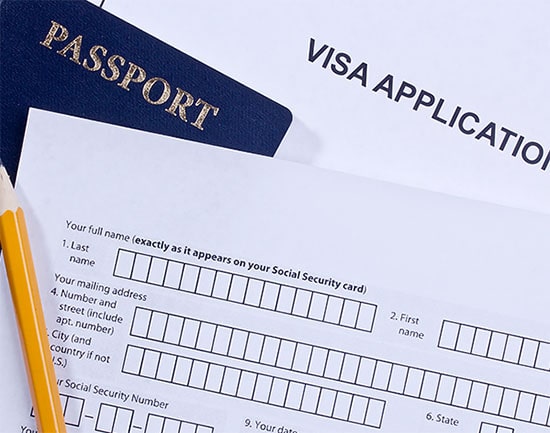
Many people travel to the US to support charitable, religious, or community projects. If this is your purpose, you will need a visa to enter and remain in the US. A B-1 Temporary Business Visitor Visa is a non-immigrant U.S. visa that permits foreign nationals to enter the US to participate in specific, unpaid volunteer activities for recognized charitable, religious, or nonprofit organizations. Under U.S. immigration law, this visa category strictly prohibits foreign nationals from engaging in activities that constitute regular employment or for which a U.S. worker would typically be compensated.
Therefore, after applying for the visa, the U.S. government will review the purpose of your trip. If you perform work that should be done under another visa category, you may face visa denial or other immigration issues. You can prevent errors that might impact your current or future visits to the US by familiarizing yourself with the regulations before you travel.
Furthermore, you should know what documents to prepare. For legal guidance during the visa application process, you will need the help of a reliable immigration attorney.
What Is a B-1 Visa?
A B-1 visa is a temporary non-immigrant visa. This type of visa allows people to visit the United States for business-related purposes. The following are some common reasons why you can obtain a B-1 visa:
- Attendance at business meetings
- Negotiations of business contracts
- Participation in business conferences and seminars
- Consulting with business partners
- Settling an estate
- Participating in certain volunteer activities
A B-1 visa does not allow you to accept paid employment from a U.S. employer. However, if your proposed activities include seeking employment, there is another visa option that will suit you. The reason behind your trip will determine the duration of your stay under the B-1 visa. Most of the visitors will be granted a six-month stay in the US.
However, this allowed period can be shortened in certain situations. If you intend to volunteer, please ensure you follow B-1 visa regulations.
Volunteering on a B-1 Visa
One reason people seek a B-1 visa is to engage in volunteer work. However, not every volunteer activity qualifies under U.S. immigration law. The main factor the embassy or consulate considers is whether your work appears to be regular employment. If you are filling a position that is normally compensated, you are strictly prohibited from using a B-1 visa and must instead obtain the appropriate employment-based visa.
Immigration officers may also look at whether you will receive any form of compensation. This compensation includes:
- Wages
- A salary
- Other forms of payment for your services
However, you can receive reimbursement for reasonable travel or living expenses. Even if you decide not to accept payment, you will not qualify for a B-1 visa if the position is paid work.
Under the U.S. Department of State’s Foreign Affairs Manual (9 FAM 402.2-5(C)(6)), you may qualify for a B-1 visa to participate in a voluntary service program if your work strictly benefits a recognized charitable or religious organization. This provision mandates that your activity must be temporary and prohibits you from engaging in work that would typically be compensated. Your reason for going to America should be the same as what is encompassed under the B-1 visa. Before applying for the B-1 visa, you should have a good understanding of what you are going to do. Clearly explaining your exact volunteer duties will strengthen your application.
Using the wrong visa can lead to serious immigration consequences. These include a denial of your visa or future travel constraints to the United States. Therefore, if there is any doubt about your plans, you should seek legal advice before traveling. You should not use volunteering to avoid the employment visa process. When you obey the proper rules, you protect your immigration record and stay focused on the purpose of your visit.
When is Volunteer Work Allowed?
Although the rules for obtaining a visa are strict, some volunteer activities are allowed on a B-1 visa. The key is that the work must meet U.S. immigration requirements. Some examples of activities that qualify as volunteer service include:
- Volunteering at a religious convention or church function.
- Assisting a charity with a temporary project that it has initiated.
- Being involved in the organization of a non-profit community event.
- Engaging in humanitarian or relief services organized by an eligible non-profit organization.
- Volunteering without pay for a nonprofit, religious, or charitable organization.
The charity for which you provide voluntary service should be engaged in religious, charitable, or humanitarian activities. Your service should not be for profit. You should also be prepared to explain your role during the visa application process. Immigration officers may ask questions about the following:
- The name of the organization you seek to volunteer at
- The type of volunteer work you will perform.
- Duration of your stay
- Whether you will receive any payment.
- When you plan to return home.
Sometimes, you may need supporting documents to strengthen your case. These include:
- An invitation letter from the organization.
- Evidence that the organization is a nonprofit or charitable group.
- Proof that you have enough money to support yourself during your stay.
- Evidence of strong ties to your home country
Even if what you plan to do seems okay, you still might not get approved. The U.S. immigration process involves two distinct jurisdictional steps: a Department of State consular officer will review your application to issue the visa, and subsequently, a Customs and Border Protection (CBP) officer will inspect you at the port of entry to authorize your final admission into the country.
How to Get a B-1 Visa to Volunteer
To secure your B-1 visa, you must complete the following steps:
Confirm That You Qualify
Before applying for the B-1 visa to do volunteer activities, you must meet the criteria. Moreover, you cannot receive a salary or any other remuneration from any U.S. source, including your sponsoring religious or charitable organization. Nonetheless, you can be reimbursed for expenses such as food, accommodation, and travel. If your volunteer job fails to meet these criteria, you may need another visa.
Gather the Required Documents
Once you confirm you qualify for the visa, gather your application materials. The following are the documents needed to apply for the B-1 visa for volunteer work:
- A valid passport
- A passport-sized photograph
- Information about the volunteer program
- Proof of ability to finance your stay in the country
Depending on your specific volunteer program, the embassy may require additional documents.
Complete Form DS-160
With these documents, you can fill out Form DS-160 online. This is the official non-immigrant visa application form. When filing this form, you should answer every question honestly. Even small mistakes can delay your application. After submitting the form, you should print the confirmation page.
Pay the Visa Application Fee
Paying the visa application fee is mandatory before booking an interview appointment. The way to make the payment varies from one U.S. embassy or consulate to another. Once all the payments are made, you should retain a copy of your receipt.
Schedule Your Visa Interview
Most applicants must attend an interview at a U.S. embassy or consulate after submitting a B-1 visa application to volunteer. After booking the appointment, your wait time will vary by location and season.
Prepare for the Interview
Before you attend your B-1 visa interview, you should organize all your documents in one place. Some of the questions you must prepare to answer at the interview include the following:
- Why do you want to volunteer?
- Where will you stay?
- How long will you remain in the United States?
- How will you support yourself during the trip?
Attend the Interview
The documents you may present at your interview in the consular office include the following:
- Your passport
- Confirmation page of DS-160
- Receipt of payment
- Your picture
- Supporting documents
The consular officer, who will make the final decision, will scrutinize your application and all the documents you have presented.
Receive Your Visa Decision
Upon arrival, the authorities will check whether your volunteer work is permitted under a B-1 visa and whether what you plan to do is permitted under the rules. They will review your application and check if what you plan to do is allowed under a B-1 visa. A visa only allows you to travel to a U.S. port of entry. A Customs and Border Protection officer will make the final decision to admit you into the country when you arrive.
When Volunteer Work Is Not Allowed
Not every volunteer opportunity qualifies for a B-1 visa. Many people assume they can work without pay while visiting the United States. The U.S. immigration officials focus on the nature of the work, not just whether you receive a salary. If you have the same responsibilities as a paid employee, the activity will be considered unauthorized employment. It does not matter whether you volunteer because you need experience or to promote a worthy cause; you will not be eligible for a B-1 visa for volunteering if you:
- Fill a position that is normally paid.
- Perform regular work for the organization.
- Accept a salary or compensation.
- Work full-time in a role that benefits a commercial employer.
- Receive valuable benefits in exchange for your services.
- Use the B-1 visa to avoid getting the proper work visa.
Your volunteer position must not resemble a traditional employer-employee relationship. While volunteering, the organization must not dictate the timing of your work or control your activities. If this is the case, immigration authorities may consider you an employee rather than a volunteer. Violating the rules of a B-1 visa can result in the following repercussions:
- Removal proceedings. Under Immigration and Nationality Act (INA) Section 237(a)(1)(C)(i), failing to maintain your nonimmigrant status renders you deportable.
- Visa cancellation. Under INA Section 222(g), overstaying your authorized period of admission automatically voids your current visa.
- Inadmissibility bars. Under INA Section 212(a)(9)(B), accruing unlawful presence can trigger three-year or ten-year statutory bars preventing your future reentry into the United States.
There should be no false representation in your travel application. If your primary objective is seeking employment, you need to ensure you apply for the correct visa based on what you intend to do. It may be prudent to discuss your volunteer program with your attorney if you are uncertain.
How Long Can You Stay in the United States as a B-1 Volunteer?
A B-1 visa does not automatically determine the duration of your stay in the US. Instead, the length of your stay is decided after you reach a U.S. port of entry. A U.S. Customs and Border Protection (CBP) officer will review your travel plans and decide how long you may remain in the country.
Under Title 8 of the Code of Federal Regulations (CFR) Section 214.2(b)(1), Customs and Border Protection (CBP) officers may grant B-1 visitors an initial period of admission of up to one year, though the standard maximum granted for most visits is six months. The officer may approve a shorter period if your volunteer project or travel plans require less time. Your approved stay is recorded on your electronic I-94 arrival record. You should always verify this record after entering the US. It shows the date by which you must leave the country.
As a volunteer, you must remain only as long as necessary to carry out your approved activities. If your volunteer work concludes earlier than anticipated, you must make plans to depart the country. If you need to remain in the country for a longer period, you may apply for an extension of stay. Filing an extension does not guarantee approval. Before granting an extension, the U.S. immigration officials will review your application.
If you remain in the country beyond the date authorized on your I-94 record, you will accrue unlawful presence, which can result in deportation proceedings and statutory bars preventing your future reentry into the US. You may also not be allowed to re-enter the country once you have left. As long as you are in the country, you must ensure that all travel and volunteer papers are safe.
Common Mistakes That Lead to B-1 Visa Problems
Many B-1 visa applications are delayed or denied because of avoidable mistakes. Common errors that can lead to B-1 visa problems include:
Applying for the Wrong Visa
Do not use a B-1 visa for activities that actually require a work visa. If your volunteer role looks like regular employment, the B-1 visa may not be appropriate.
Accepting Unauthorized Compensation
A B-1 visa does not allow you to receive a salary from a U.S. employer. Even if it is voluntary service, getting paid may lead to problems with immigration. You must verify exactly which expenses the organization will reimburse to ensure they are not classified as unauthorized wages.
Giving Incomplete or Inaccurate Information
Every detail you provide in your application should be truthful and consistent. Leaving out important facts or providing false information can result in a visa denial. Also, it can affect your reentry into the US.
Assuming that a Visa Approval Guarantees Entry
A visa allows you to travel to a U.S. port of entry. However, it does not guarantee admission. A Customs and Border Protection officer will still review your purpose for entering the country. Therefore, you should be prepared to answer questions about the purpose of your trip.
Frequently Asked Questions
The rules for applying for a B-1 visa to do volunteer work are not always straightforward. Therefore, many applicants may be confused about the right steps to take. The following are commonly asked questions on the B-1 visa application for volunteer work:
Can I Volunteer for any Nonprofit Organization on a B-1 Visa?
Not all non-profit organizations can qualify for this type of visa. The organization should be religious or charitable. If a paid employee would normally perform the work, it may not be allowed under a B-1 visa.
Am I Entitled to Free Food or Accommodations While Serving as a Volunteer?
To obtain a B-1 visa for volunteer activity, you shouldn’t get any pay or any other form of remuneration. You may only receive exact reimbursement for actual, incidental expenses directly related to your volunteer work, such as the verified costs of:
- Meals
- Lodging
- Travel expenses
If your allowances look like compensation for your work, there may be immigration problems.
What Happens if I Perform Unauthorized Work on a B-1 Visa?
Working without the proper authorization can have serious consequences. You may face visa cancellation or be denied entry to the US in the future.
Should I Speak with an Immigration Attorney Before Applying?
In case you doubt whether your volunteering activities fall into the scope of the B-1 visa category, you should seek the advice of an attorney. An attorney will help you determine which visa is appropriate for your situation.
Find a Competent Immigration Lawyer Near Me
A B-1 visa permits specific volunteer activities within the US. However, strict federal regulations govern exactly what you can and cannot do. You must prepare relevant documentation and justify the nature of your visit. Completing the visa application process properly will help you avoid immigration problems. Violating these limitations by performing unauthorized work or accepting impermissible compensation can result in immediate visa cancellation, deportation, and a permanent bar to re-entry.
Do not risk your immigration record by guessing about your eligibility or submitting incomplete documentation. At California Immigration Attorney, we have extensive experience helping individuals navigate complex consular processing rules and secure the correct visas. Contact us today at 424-789-8809 to schedule a consultation.